Table of Contents
- What is a Tribal Tattoo?
- Historical Origins of Tribal Tattoos
- Significance of Tribal Tattoos
- Different Styles of Tribal Tattoos
- How to Choose a Tribal Tattoo Design
- How to Prepare for Getting a Tribal Tattoo
- Caring for Your Tribal Tattoo
Introduction What Is a Tribal Tattoo?
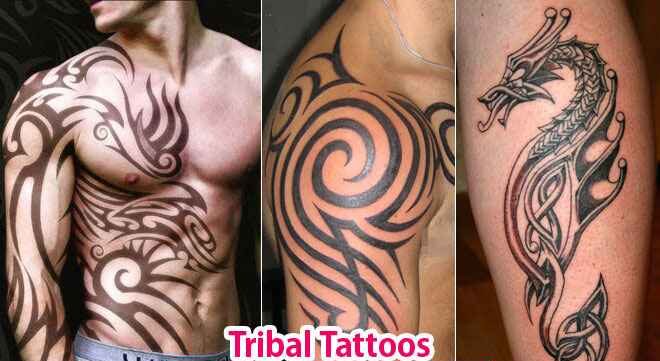
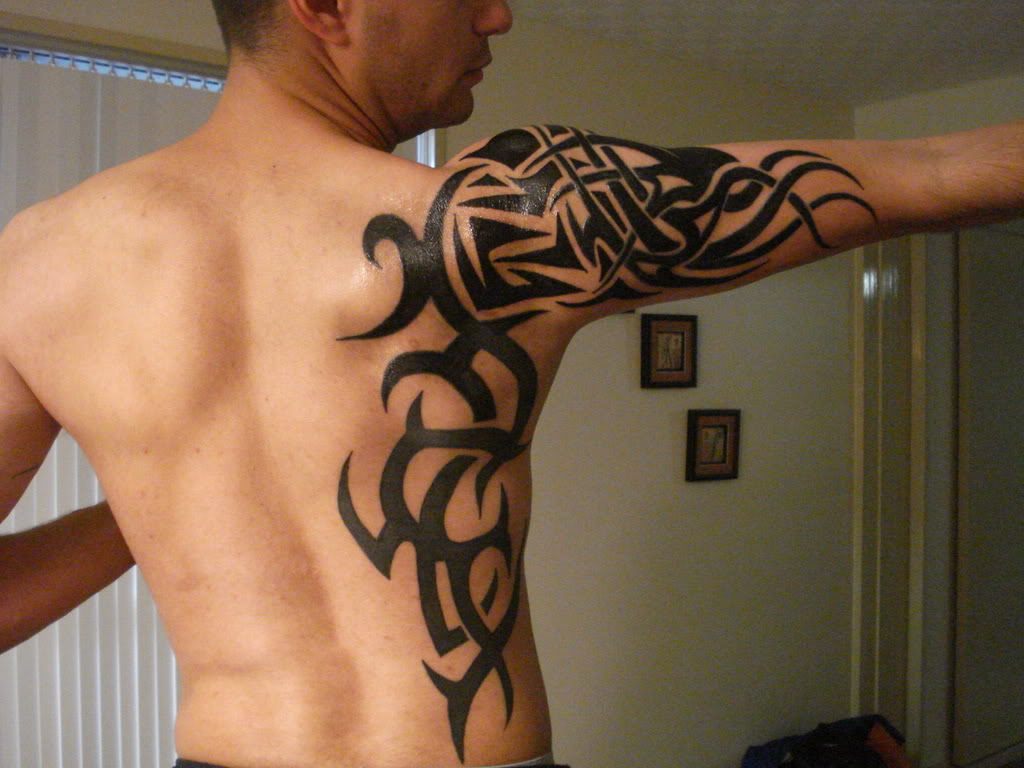
A tribal tattoo would mean symbolic art and characters that are rooted in native cultures around the world. It has some deep meanings as far as culture, spirituality, and social aspects are concerned. In modern-day tattooing, use of the term is restricted to styles that emphasize bold black lines, geometric shapes, repeated arrangements, and continuous bands that flow along the contours of the body.
A Brief History and Cultural Significance
The practice of tribal tattooing is older than writing. More widespread uses of tattoos throughout the Pacific and in places such as Polynesia, Micronesia, Borneo, Native North America, the Celtic Islands, and parts of Africa were rites of passage or symbols of social status, talismans, or perhaps even documentation of a person’s accomplishments.
Such practitioners used ancient tools and pigments and design patterns passed down through the generations, often with permission or having to be acquired in a formal capacity.
This contemporary tattoo culture has integrated some visual aspects from these traditions. Intelligent borrowing, paired with deference, artfully manifests. Without knowledge and consent, it can be dangerous to misuse sacred designs.
Popular Tribal Tattoo Styles and Their Features
Polynesian and Maori
Polynesian and Maori tattoos use repetitive designs such as spears, tiki, and koru (spirals) to express intimate or family stories. The lines highlight movement and flow with the shape of the muscles.
Samoan
Examples of Samoan tattoos are large-area tattoos created by skilled tattoo artists and incorporated into local customs, such as the pea (a male chest-to-knee design and the malu (a female thigh design.
Bornean and Southeast Asian
Such traditional designs often employ symmetrical geometric bands and nature motifs for the arms and chest.
Celtic and Norse
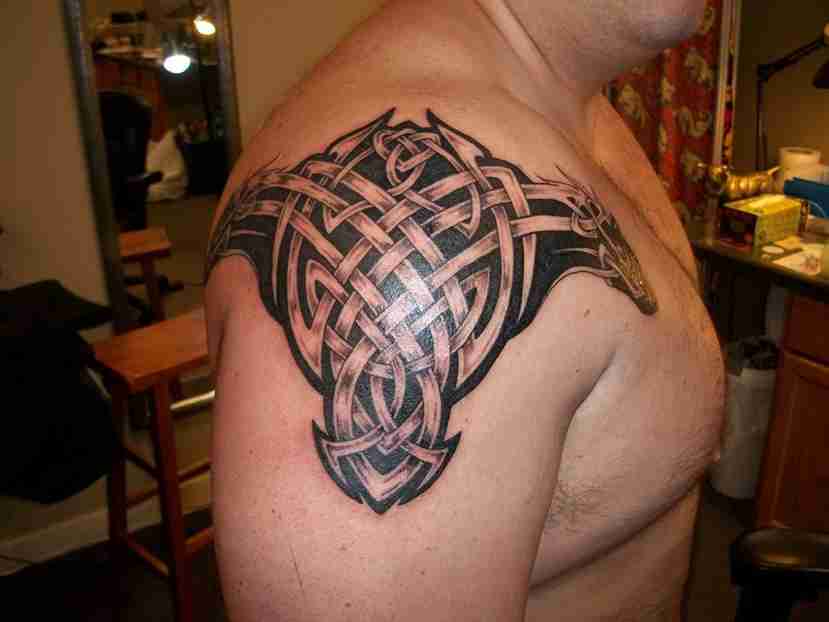
Today, Celtic knotwork and Norse runic motifs are sometimes referred to in the vernacular as tribal. They were specifically designed to depict knots and interlaced lines with other mythological or culturally meaningful symbolism.
Contemporary Tribal (Neo-Tribal)
In neo-tribal or modern tribal tattooing, the thick black outlines and shapes are preserved but transformed into abstract or adapted designs that combine traditional motifs with modern shapes.
How to Choose a Tribal Tattoo Design
Examine the history of the design to determine its significance. If you do not understand a ceremony or sacred theme, do not copy it.
Consult an expert: Work with a tattoo artist who specializes in the specific tribal style you have in mind. Many traditional patterns require both technical skill and cultural context to render correctly.
Personalize respectfully: If you want culturally inspired features, consider adding respectful, distinctive personal symbols rather than copying sacred patterns exactly.
Sketch and Placement: Choose a design that emphasizes the body part; arms, shoulders, chest, and back are frequently depicted in tribal art.
Tattoo Placement and Size Considerations
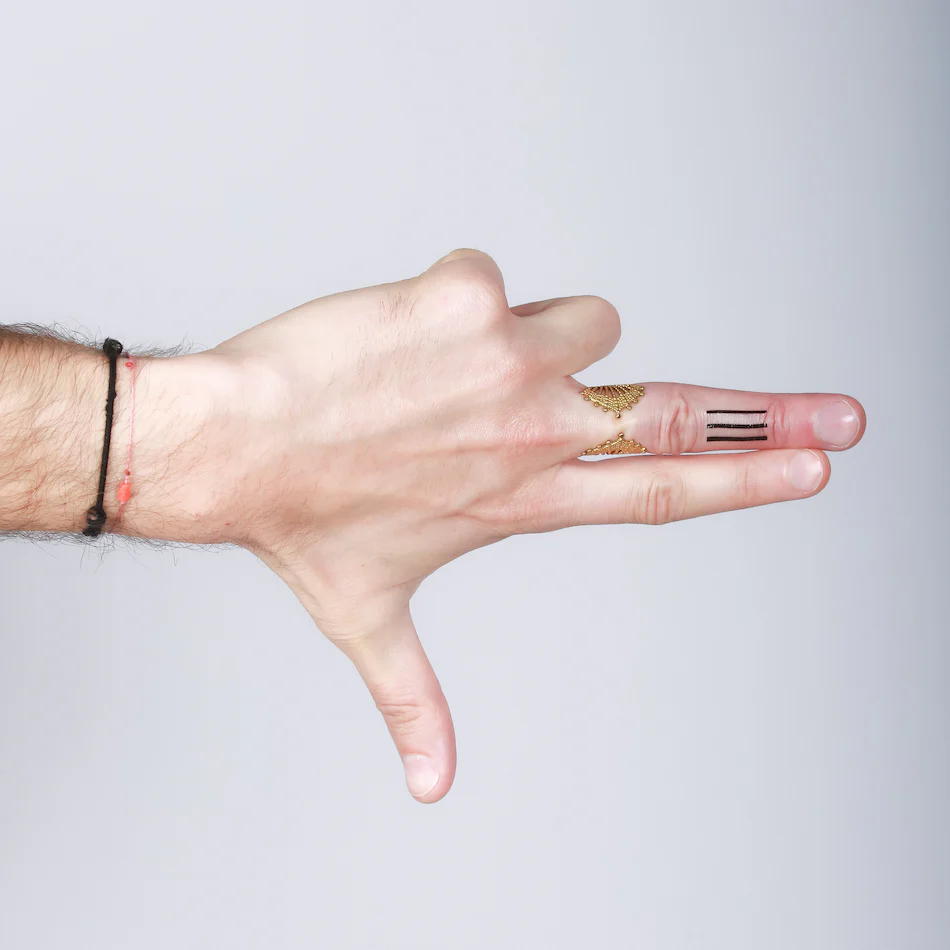
Tribal tattoos often use large, unbroken surfaces to demonstrate continuity of pattern. It looks good on larger areas like thighs, back, chest, or full sleeves. On the wrists, behind the ears, or on the ankle, small tribal motifs can be attractive, but they require simple designs to remain readable over time.
Aftercare and Healing Tips for Tribal Tattoos
To keep the tattoo clean and delicately moisturized, use an unscented, tattoo-safe ointment or lotion.
Avoid submerging the tattoo in a pool, hot tub, or bath until it has completely healed.
For the first week, wear loose clothing over the tattooed area to avoid irritation.
Because UV rays can fade solid black and thin, sharp lines, keep the tattoo out of direct sunlight.
Expect bold black work to peel and flake; do not cut off the crust. Allow time for the healing process to complete.
Cultural Respect and Etiquette
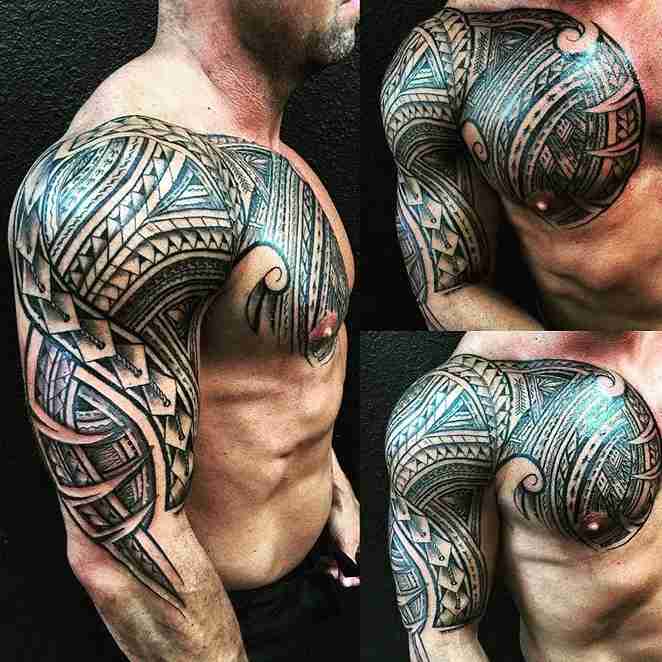
Respect is important.Tribal tattoos are often associated with lineage, rituals, or roles in a community. Don’t use a tattoo you didn’t earn to show your indigenous identity. If you are looking for an authentic cultural piece, consult with community representatives or practitioners and be prepared to accept advice or rejection.
External Resources and Further Reading
Refer to reliable cultural and anthropological sources, such as National Geographic, museum anthropology pages, and peer-reviewed journals on body modification and indigenous art, for more background information and context. These resources explain the cultural norms associated with tattooing and offer more in-depth historical context.
Conclusion
One of the most effective types of body art is still tribal tattoos design. They combine contemporary artistic expression with traditional cultural identity. Knowing the significance of symbols and respecting their origins is more important than whether a person chooses a design influenced by Polynesian, Celtic, or modern styles.
A well-crafted tribal tattoo tells a story, blends in with the body, and is visually appealing for years to come. To ensure that your tattoo remains attractive and beautiful for many years, do your homework beforehand, consult a professional artist, and take good care of it.