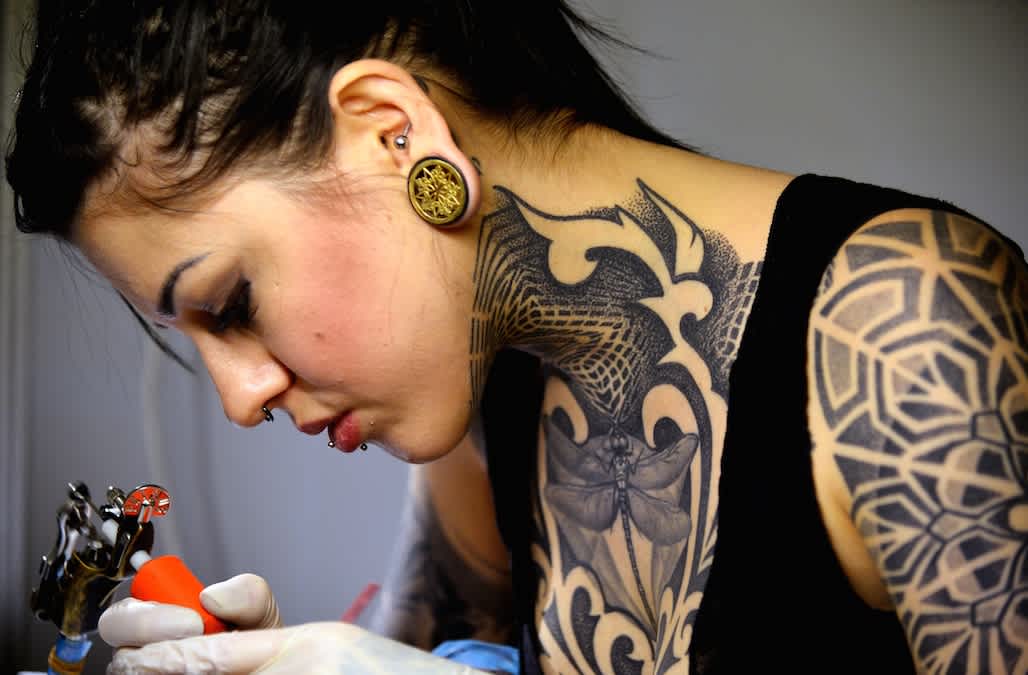
Tattoo Artist are more than just people who put designs on skin; they are creative geniuses who turn personal stories and feelings into beautiful body art. If you’re getting your first tattoo or have been collecting them for a while, it’s important to know about tattoo artists. We discuss the skills, duties, and art that make up a tattoo artist in this article. We cover every part of this intriguing job.
The Journey to Becoming a Tattoo Artist
You need to be dedicated, talented, and passionate about art to become a tattoo artist. Most artists start out by learning traditional drawing methods, which help them develop their own style. Formal apprenticeships with experienced tattoo artists teach beginners the technical and sanitary sides of the job. These aspiring artists build a portfolio over time that shows off their skills, creativity, and unique style.
Essential Skills Every Tattoo Artist Needs
A competent tattoo artist needs to be both creative and skilled with tools. To create intricate designs, an artist must possess precision, a keen eye for detail, and steady hands. Communication skills are also critical because artists need to be able to understand and interpret what their clients want. Furthermore, a good grasp of colour theory and skin anatomy makes sure that tattoos heal well and remain bright over time.
Tools of the Trade: What Tattoo Artists Use
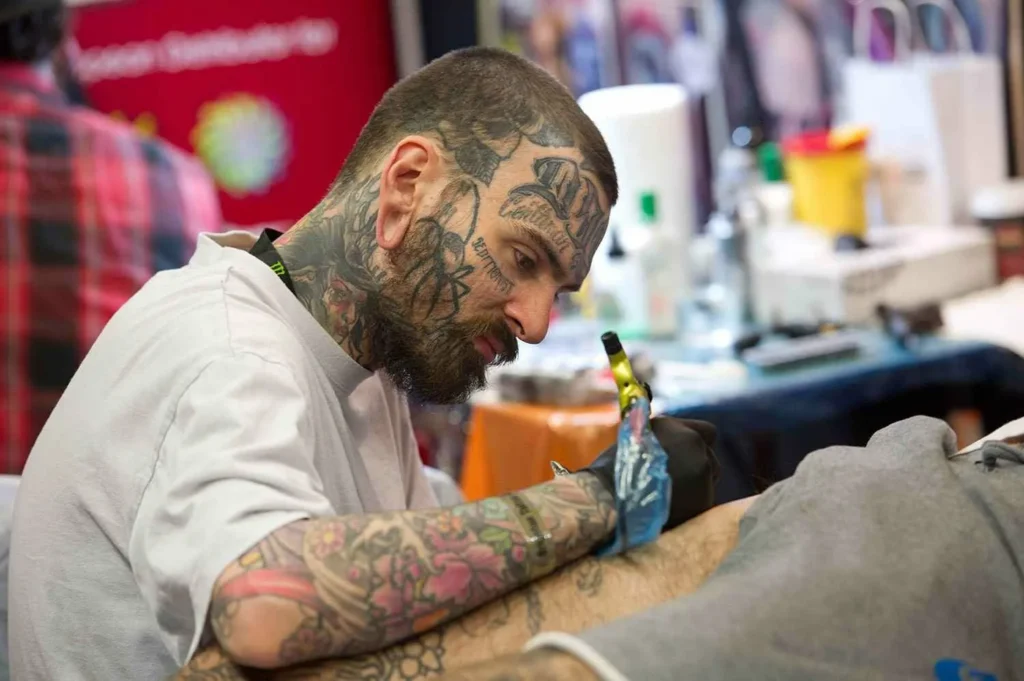
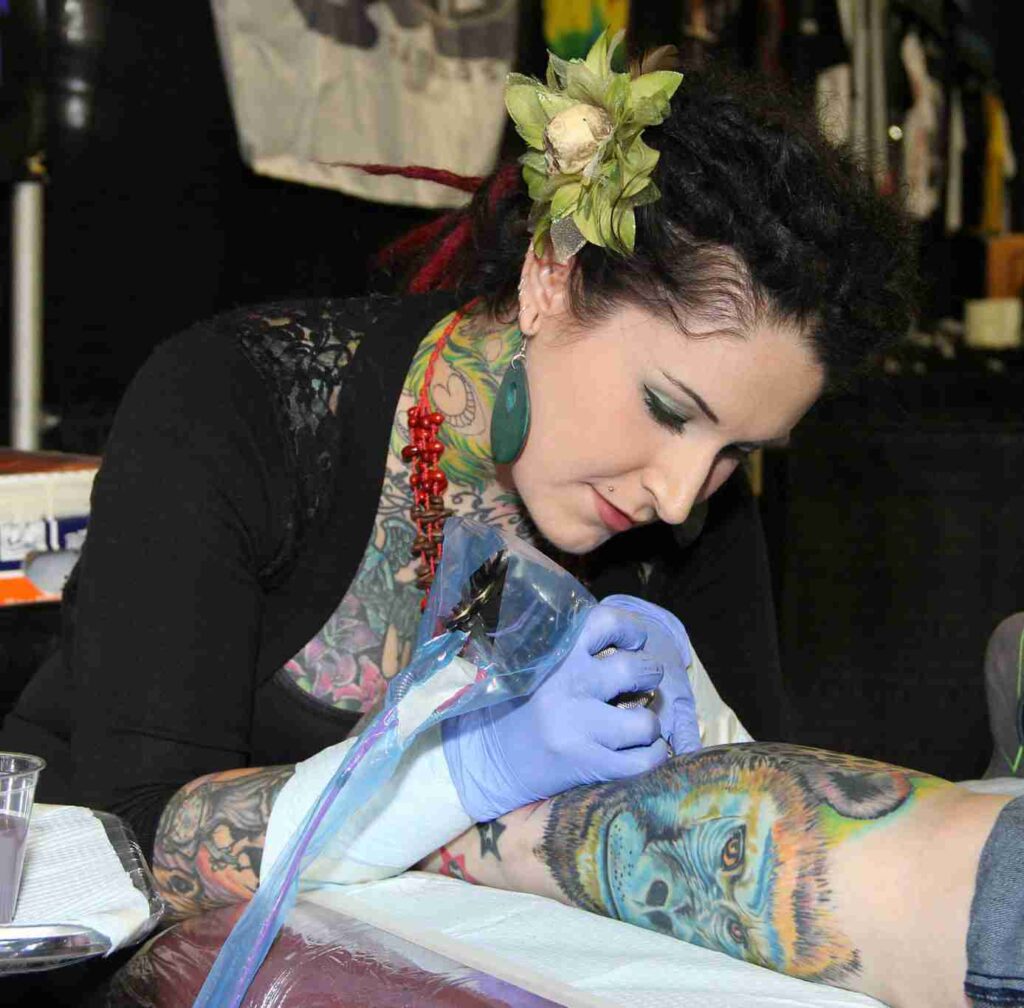
Tattooists use a variety of special tools to make their clients’ ideas come true. Tattoo machines, needles, and high-quality inks are some of the most important tools. For a safe and clean environment, sterilisation equipment is also essential. To get the best results and lower the risk for their clients, many artists buy high-quality machines and pigments.
Importance of Hygiene and Safety in Tattoo Studios
In the tattoo business, cleanliness is a must. Tattoo artists have to follow strict rules about cleanliness, like using disposable gloves, sterilised needles, and disinfected work surfaces. Following good hygiene rules keeps both the artist and the client from getting sick or having problems. Local health authorities check the studio regularly and give it certifications to make sure it meets safety standards.
Artistic Styles and Techniques in Tattooing
Tattoo artists usually focus on one or two styles of art, so customers can pick the one that best fits their design. Some of the most popular tattoo styles are traditional, realistic, watercolour, tribal, and geometric. You need a different approach, technique, and set of tools for each style. Professional artists are constantly improving their work by trying out new styles and techniques to get outstanding results.
Designing Custom Tattoos: The Creative Process
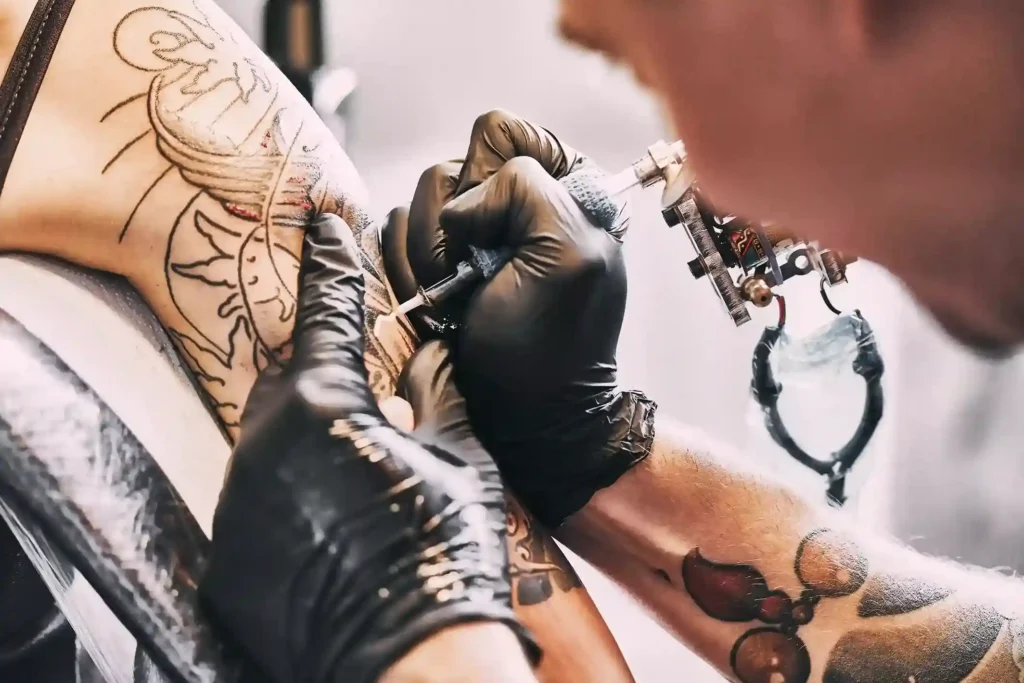
A talented tattoo artist is known for making custom tattoo designs. The design process usually starts with a meeting where the artist hears the client’s ideas, likes, and stories. Then they make a unique sketch that often includes personal details or symbols. When the artist and client work together, the final design will have profound meaning and show off the wearer’s unique style.
Tattoo Cover-Ups and Corrections: A Special Skill Set
Not all artists know how to cover up old or unwanted tattoos. Tattoo artists who are skilled at cover-ups use creative and advanced techniques to turn faded or poorly done tattoos into beautiful new designs. To do this, you need experience, strategic thinking, and a deep understanding of how to blend and layer colours.
Building Trust: The Artist-Client Relationship
A pleasant experience starts with a pleasant relationship between a tattoo artist and their client. Being able to talk freely with the artist helps them understand what the client wants in terms of style and placement. Clear explanations of the process, aftercare instructions, and honest feedback help build trust. A professional attitude makes sure that clients are comfortable and confident the whole time they are getting their tattoos.
Aftercare Advice from Tattoo Artists
A tattoo will heal beautifully and retain its colour if you take care of it properly afterward. Tattoo artists give detailed instructions on how to care for the tattoo afterward, like keeping the area clean, staying out of direct sunlight, and using the right ointments. If you follow the artist’s advice, you lower your risk of getting an infection and make sure your tattoo looks great for years to come.
The Role of Social Media in a Tattoo Artist’s Career
Social media has changed the way tattoo artists show off their work and find new clients. Artists can reach people all over the world and build a loyal following by posting high-quality pictures of their work. Artists can also get feedback, answer questions, and stay up to date on the latest trends by talking to clients online.
Challenges Faced by Tattoo Artists
Tattooing has its problems, even though it can be very rewarding as an art form. Tattoo artists often work long hours, which means they have to be creative while doing a lot of physical work. You need to be patient and adept at solving problems to be able to adapt to different skin types, client requests, and technical difficulties. Artists are constantly working to strengthen their skills because they feel pressure to get things right every time.
Trends and Innovations in the Tattoo Industry
Every year, new trends and ideas come out in the tattoo business. The safety and quality of tattoos have gotten better thanks to new ink technologies, machine designs, and aftercare products. Some of the trends that clients and artists love include minimalist designs, bright colour schemes, and detailed linework.
The Importance of Ongoing Education
It is essential for tattoo artists to be up to date on new methods, safety precautions, and creative advancements. To learn more, many people attend workshops, conventions, and online courses. Artists that never stop learning ensure that they provide their customers the greatest attention and inventiveness possible.
Finding the Right Tattoo Artist for You
It is essential to pick the right tattoo artist for a good and memorable experience. You can find an artist whose style matches your vision by looking at their portfolios, reading reviews, and going to their studios in person. Before making a choice, don’t be afraid to ask them about their experience, certifications, and how they keep things clean.
What to Expect During Your Tattoo Appointment
Knowing what to expect can help you relax and make sure your tattoo appointment goes smoothly. The artist will first discuss the final design and where it will go. Then, they will get the skin ready and set up their tools. The artist will check in with you, give you breaks, and advise you on pain management. Clear communication makes the process straightforward and fun.
Cost Factors and Pricing in Tattoo Artistry
Factors such as the artist’s experience, the complexity of the design, and the studio’s location influence the price of a tattoo. Before beginning work, most trustworthy artists will give you clear prices and detailed quotes. Keep in mind that attractive tattoos are an investment, and picking a skilled artist will make sure your tattoo lasts.
The Lasting Impact of a Tattoo Artist’s Work
A tattoo artist’s work lasts forever, turning bodies into living canvases that tell their stories. Every tattoo is a work of art because of the care, skill, and passion that goes into each one. You can start your tattoo journey with confidence if you know and appreciate what a skilled tattoo artist does.
In the end, a tattoo artist is the creative mind behind every piece of body art that means something to them. These professionals use their artistic, technical, and safety skills to make tattoos that are both beautiful and long-lasting, from the first consultation to the last aftercare advice. Choosing the right tattoo artist is important for a good and memorable experience, whether you’re getting your first tattoo or adding to your collection.
