Table of Contents
- A brief introduction
- Which model gives the best tattoo?
- Why it is important for learners
- Tattoo model forms
- Flat silicone sheets
- 3D silicone body parts
- Perfect tattoo mannequins
- Choosing tattoo models
- How to use practice models
- Final Conclusion
introduction Model for Tattoo
A tattoo practice model is one of the best tools for apprentice Model For Tattoos artists who want to practice in a safe space and gain confidence before tattooing real skin. Tattooing requires precision and technique with a steady hand, which only improves with practice. Practice models are highly beneficial in this situation. They simulate a realistic yet safe environment to learn line work, shading, and coloring for beginner tattooists. In this article, you will learn everything about Model For Tattoo, including their types, uses, benefits, and buying tips specific to beginners.
What Is a Tattoo Practice Model?
To improve their tattooing techniques, both novice and experienced tattoo artists use a synthetic skin-like material called a tattoo practice model. Most practice models, often made of latex or silicone, can mimic the texture and density of human skin. They exist in many forms, such as full mannequins, 3D body parts, and flat sheets. These models teach aspiring artists about needle pressure, ink flow, and machine management without harming real individuals. Using a model allows artists to practice their technique and correct mistakes at their own pace.
Why Beginners Need a Tattoo Practice Model
For novices, tattooing on human skin without permission is quite harmful; therefore, a practice model is essential. Here he experiments with various approaches and practices varying needle depths for better control. Most useful to him is the development of mixing colors and shading, both of which call for extreme precision. Beginners develop self-assurance and learn how to handle their mistakes over time. The model is one whereby the artist works in a safe, clean way, practically torturing the selected pattern applied to the skin over and over until he/she is totally comfortable.
Types of Tattoo Models: Beginner to Advanced
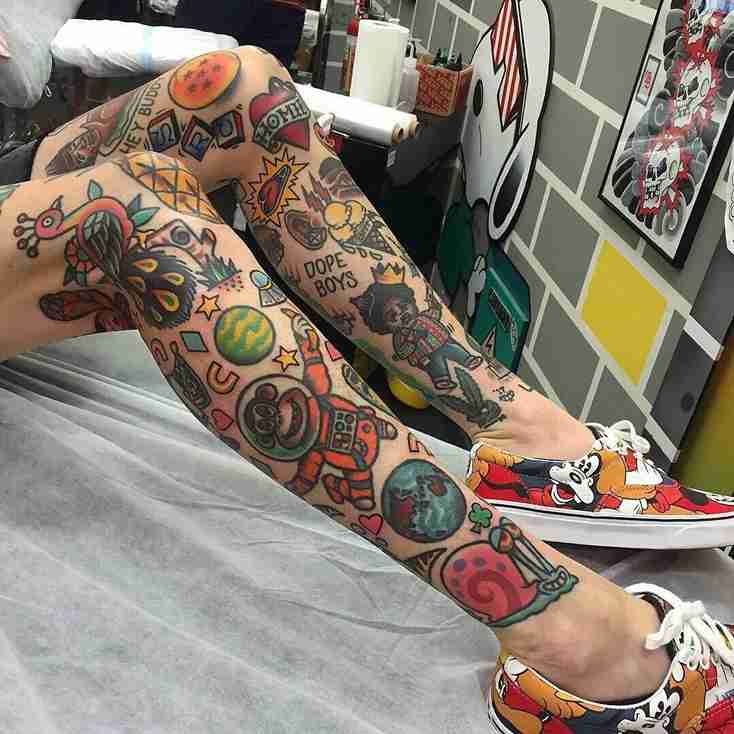
There are several tattoo designs available for beginners and specialists. Silicone sheets are the simplest kind and are ideal for learning basic forms and lines. These sheets are easy to care for, reusable, and inexpensive. Practice models that are more advanced have 3D silicone body parts like arms, hands, legs, and feet. These models are excellent for understanding where to put Model For Tattoos realistically. To produce entire-body tattoo designs, professional tattoo artists use the most advanced option: full silicone mannequins. Each variety serves a different purpose depending on the learner’s skill level and goals.
Flat Silicone Sheets
Flat silicone sheets are the best choice for complete beginners since they provide a simple surface on which to hone the basic techniques. These sheets are reusable and reasonably priced. Artists usually start with basic line exercises, shapes, and shading techniques on these pages. Because they are flat, beginners can focus just on how the needle moves and how to control their hands without worrying about curves or shape. Since they help artists hone fundamental talents before progressing to more complex surfaces, these sheets are frequently included in tattoo kits.
3D Silicone Body Parts
The novices can sense some reality with 3D silicone lifelike copies of actual human limbs. These models can have arms, hands, feet, and maybe even some parts of the chest or legs. Beginning tattooists essentially learn how to use their machines while working at various angles and through joints while tattooing these curved surfaces. Since the finished Model For Tattoos bear an almost perfect likeness to human skin, which most artists utilize to generate portfolio pieces for their works, these models also assist with determining tattoo positioning and design flow on the body. These mannequins also serve as an ideal next step after using flat sheets.

Full Silicone Mannequins
Advanced practice calls for entire silicone mannequins. Though pricey, they offer a full human-like structure perfect for bigger tattoo ideas. Artists play with full sleeves, chest parts, or back patterns by using mannequins. Mannequins let artists visualize how the Model For Tattoos follows the body’s natural contours. They are especially beneficial for people getting ready for expert tattoo competitions or producing a top-notch portfolio. Beginners don’t need them, but once a player gets to a higher level, they become useful.
How to Choose the Best Model for Tattoo Practice
Budget, training goals, and experience level are all crucial features in deciding the best exercise plan. Starting with flat silicone sheets, which are one of the more affordable options, will effectively introduce the artist to essential primary skills. For an artist seeking a more realistic experience, the 3D body-part models go best. The quality of the material itself is important; medical-grade silicone is the most reasonable and enduring. Thickness is another consideration; thick varieties allow for finer control of needle depth. Washability and reusability should also be extra concerns for a beginner so that they can enjoy savings with their models in the long run.
How to Use a Tattoo Model Correctly
To be effective, a model for tattoos must be utilized appropriately for learning. Use alcohol to remove any dust or oil from the silicone surface at the beginning. After cleaning, use stencil gel to apply your design to the model. Change the voltage of your tattoo machine depending on whether you are shading or lining. Always start with simple lines to warm up before moving on to the full design. Maintain a consistent needle depth and move your hand slowly to avoid ripping the silicone.
Practicing Lines and Shapes
The foundation of tattooing is linework, which novices should practice on silicone models for a long time. Start with circles, curved lines, and straight lines. Repeatedly practicing tiny shapes enhances hand stability and motor control. Additionally, since different needle sizes behave differently, you should practice lining with varied diameters. Throughout each stroke, be careful to keep the same hand angle and speed. To keep your workspace clear and precise and to prevent smudging, clean the surface frequently with green soap.

Shading and Color Techniques
Practice models are very beneficial because shading is one of the hardest aspects of tattooing. Shading basic shapes should be the first step for beginners before progressing to more intricate gradients. To create seamless transitions, work in layers and with a gentle touch. Practice evenly packing color without causing any damage to the model during coloring. To learn about pigment flow, try blending two colors together. Silicone models let you practice these methods repeatedly until you get the hang of them, but they do need patience.
Portfolio Building With Tattoo Models
A fantastic source of information when building a professional portfolio is tattoo models. Many painters Model For Tattoos realistic 3D hands, arms, or legs before photographing them for their portfolios. This helps you to initially impress potential clients. Newcomers without real skin can still visually show their skills even if they still lack real clients. Make sure to photograph your work in well-lit surroundings from many angles. A neat and clearly organized portfolio helps beginners to enter the realm of professional tattooing.
Cleaning and Reusing Tattoo Practice Models
Many Model For Tattoos practice models may be reused if they are properly maintained. Use alcohol or green soap to clean the model after you’re finished with the design and remove any excess ink. The surface of some silicone models may be gently cleaned without harm. Avoid harsh chemicals since they may cause the silicone to become dry or cracked. Silicone models of excellent quality can last for months if maintained well, making them a cost-effective option for beginners. You may practice designs many times by reusing these models.
Final Conclusion
Every aspiring tattoo artist needs a tattoo model as a vital resource to help them acquire skills in a safe and secure manner. Artists can learn needle control, ink flow, shading, and coloring using practice models without endangering themselves or making irreparable errors on real skin. All of them, from flat sheets to 3D body components to entire mannequins, provide excellent training opportunities. Newbies may develop valuable abilities and get ready for actual clients with consistent practice, patience, and the correct equipment. Model For Tattoos are more than just training aids; they form the basis of a profitable career in tattooing.