Table of Contents
- An introduction to tattoo
- A history of tattoo design
- Key features of the watercolor design style
- Popular tattoo designs
- Choosing the right artist for a tattoo
- Aftercare for watercolor tattoo design
- Pros and cons of watercolor design
- Longevity and fading: what to expect
- Cost factors for tattoo
- Future trends in watercolor art
1. Introduction to Watercolor Tattoo
Watercolor tattoo designs are a new trend in the tattoo world. People love them for their bright colors and artistic style. Watercolor tattoos are different from regular tattoos in that they look like real watercolor paintings with their free-flowing and see-through qualities. This style is ideal for individuals seeking unique, artistic body art that stands out. Many people like watercolor because it has soft edges, bright colors that blend well, and no harsh lines. The tattoo style is truly a creative approach to personal expression.
2. History of Watercolor tattoos.
Both modern tattoos and old watercolor paintings have shaped the watercolor ink style. Watercolors tattoo designs, as opposed to traditional techniques, try to mimic the appearance of paint splatters and brushstrokes. They are a reflection of the tattoo community’s long history of artistic creativity. Over time, watercolor tattoos have come to symbolize individuality and artistic freedom.
3. Key Features of Watercolor Tattoo Style
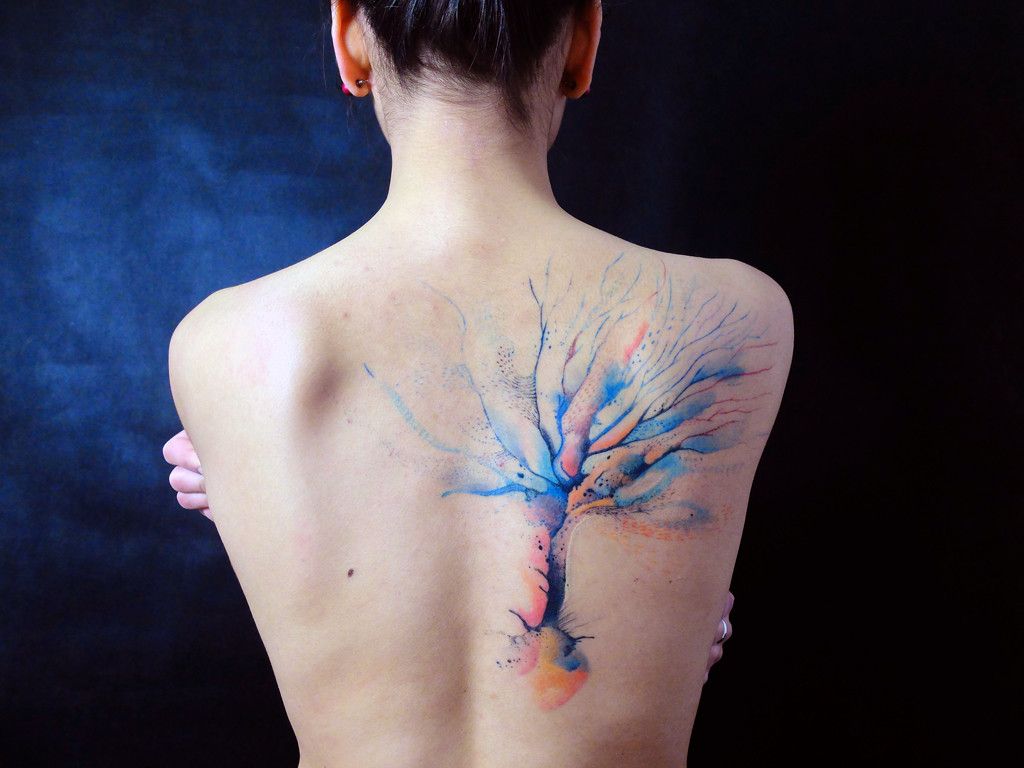
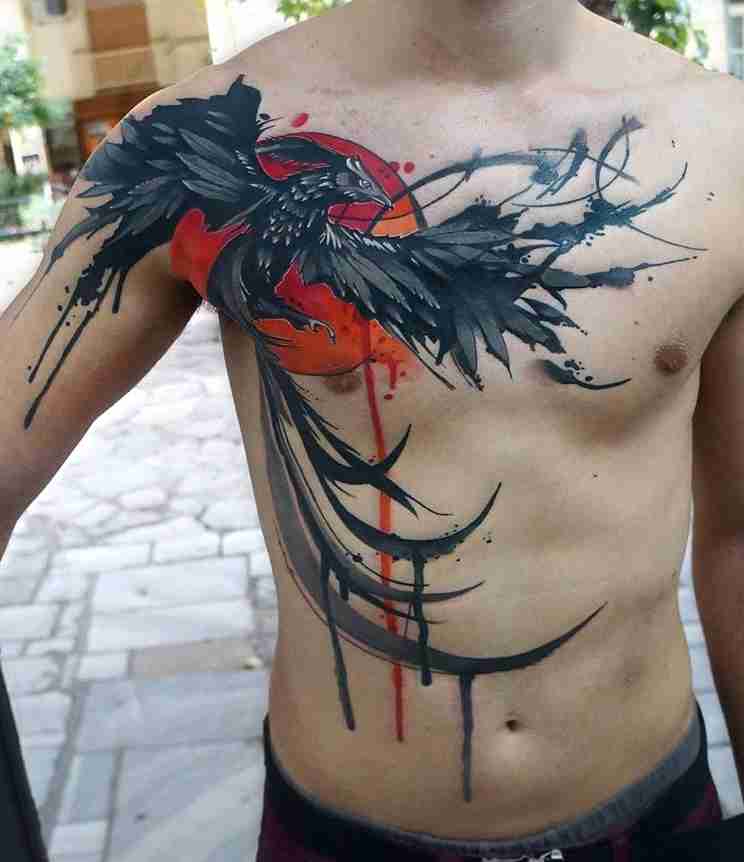
A defining characteristic of the watercolor tattoo design is its vivid color palette and soft, gradient transitions between hues. The absence of bold black outlines allows colors to flow seamlessly, creating a painted effect on the skin. Artists often use splashes, drips, and blends to make their work look like watercolor. The tattoo looks like a real watercolor painting, with a delicate but strong look. Watercolor tattoos are perfect for those seeking an ethereal and painterly look.
4. Popular Watercolor Tattoo Designs
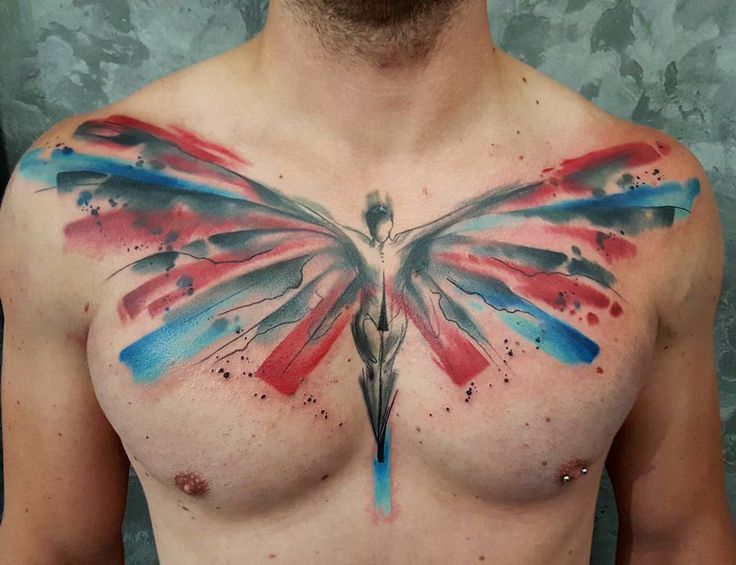
Watercolor tattoos designs frequently feature flowers, animals, abstract designs, and natural themes. The style allows for endless customization through imaginative interpretations. Watercolor of birds, butterflies, or landscapes are popular choices. Each design is distinctive and striking because of the use of vivid colors and delicate shading. Tattoos in watercolor genuinely display the artist’s and the wearer’s talent and inventiveness.
5. Choosing the Right Artist for a Watercolor Tattoo
Choosing a skilled tattoo artist is essential when it comes to watercolor designs. Examining portfolios and prior work is crucial because not all tattoo artists are proficient in this particular technique. Seek an artist who is proficient in free-form approaches and color blending. A skilled tattoo design artist will also know how various pigments affect the skin. Your tattoo will be stunning and durable if you take the time to select the correct artist.
6. Aftercare for Watercolor Tattoo
ensure it retains its beauty from the day of creation Maintaining the color and quality of your watercolor design requires careful care after purchase. Following the artist’s instructions, such as keeping the tattoo clean and moisturized, helps prevent infection and fading.
During the first healing phase, keep the tattoo out of direct sunlight and avoid immersing it in water. Recovery might be aided by using mild cleansers and lotions without smell. Maintaining your watercolor design will ensure it retains its beauty from the day of creation.
7. Pros and Cons of Watercolor tattoos
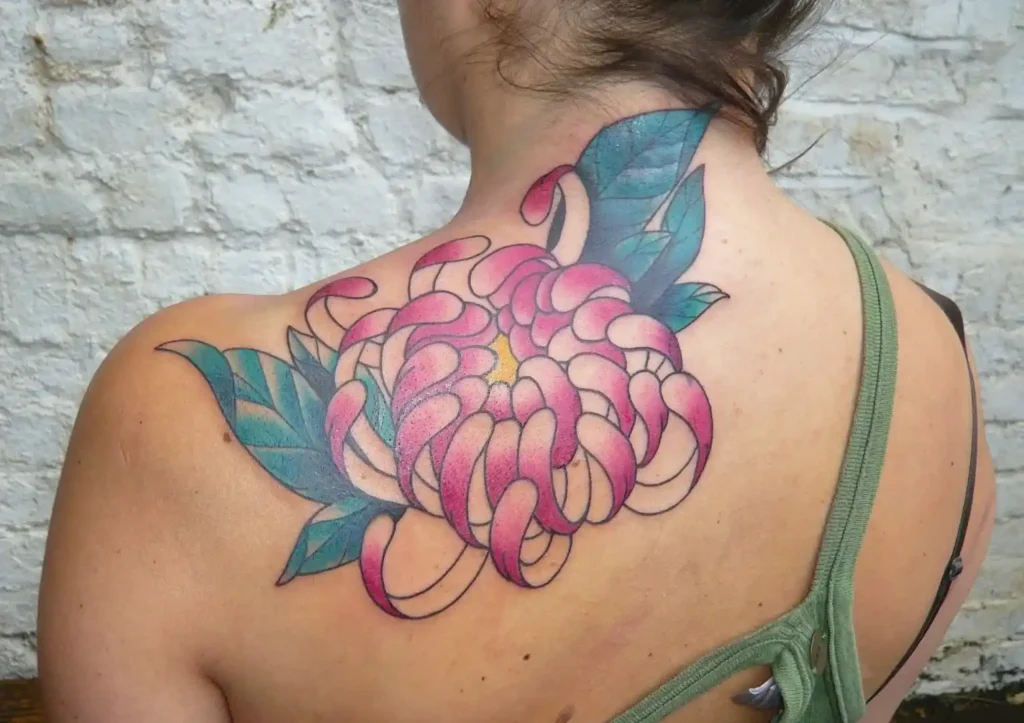
For those who enjoy painting and are creative, tattoo designs provide a new, contemporary look. They differ from conventional tattoo designs with their distinct, painterly effect. However, they may be more prone to fading over time because of the absence of distinct outlines. tattoos may need more regular touch-ups for some people. Despite this, people who are looking for genuinely unique body art frequently choose this style due to its beauty and adaptability.
8. Longevity and Fading: What to Expect
All tattoos fade with time, but watercolors tattoos design may fade faster due to their delicate colors and minimal outlining. Excessive exposure to the sun and improper skin care can hasten this process. To keep the tattoo looking bright, you may need to touch it up every few years. By choosing a talented artist and following aftercare instructions, you can extend the lifespan of your tattoo. This is important information for anyone considering a watercolor tattoo.
9. Cost Factors for Watercolor Tattoo
A watercolors tattoo cost is determined by several variables, such as its size, level of complexity, and artistry. Watercolors tattoo designs might be more costly than standard ones since they call for precise and sophisticated procedures. Premium pigments and spending more time combining colors also influence the price. Choosing an experienced artist guarantees better results and fewer touch-ups. Always prioritize quality over pricing.
10. Future Trends in Watercolor Tattoo Art
As artists try out different methods and color schemes, the watercolors tattoo design style keeps changing. Advancements in tattoo equipment and ink formulations are expanding the possibilities in this genre. We are likely to see more hybrid styles that blend watercolor with geometric or realistic features. Social media platforms allow artists to share their most recent creations and expand their audience. For tattoo fans, the future of watercolors tattoos holds even greater inventiveness and inspiration.
Conclusion
By offering a novel, impressionistic style that embraces color, originality, and creativity, watercolor tattoo designs have completely transformed the body art industry. They are a favorite among art enthusiasts because of their distinctive style, which permits limitless customization and expression. You can choose wisely and take pleasure in a stunning work of art for many years to come if you are aware of the background, characteristics, and maintenance requirements of watercolor tattoos.